
Ways to send money to Mexico from the US usually fall into two groups: remittances for bills and everyday needs, or gift cards for a specific thank-you, reward, or occasion. The right choice depends on whether the recipient needs general spending power or a defined gift they can use with a Mexican brand.
I start with what the recipient needs the money for. Cash pickup, a deposit, and a store gift card serve different purposes.
1. What are the main ways to send money to Mexico from the US?
The main ways to send money to Mexico from the US are bank wires, online transfer services, cash pickup, debit card deposits, and gift cards. Remittance methods deliver general-purpose funds, while a peso gift card directs value toward a supported merchant or brand.
| Method | Best fit | Main question to check |
|---|---|---|
| Bank wire | Bills, larger transfers, or a recipient with a Mexican bank account | What are the total fee, exchange rate, and delivery time? |
| Online transfer service | Regular family support or a recipient who prefers an app or bank deposit | What amount arrives after every charge? |
| Cash pickup | A recipient who needs cash and can visit a payout location | What identification and pickup conditions apply? |
| Debit card deposit | A recipient who wants funds sent to an eligible Mexican card | Does the service support that card and destination? |
| Mexican gift card | A birthday, reward, staff bonus, or specific purchase | Can the recipient use the brand in Mexico? |
For any remittance, compare the fee, exchange rate, and delivered amount rather than the advertised fee alone. The Consumer Financial Protection Bureau’s remittance guidance explains those comparison points for covered transfers.
A gift card is different from a remittance. It gives the recipient value for an eligible purchase and isn't general-purpose cash. That distinction matters when the recipient needs rent, utilities, food, or other expenses rather than a defined gift.
2. What traditional transfers cost, and why they’re slow
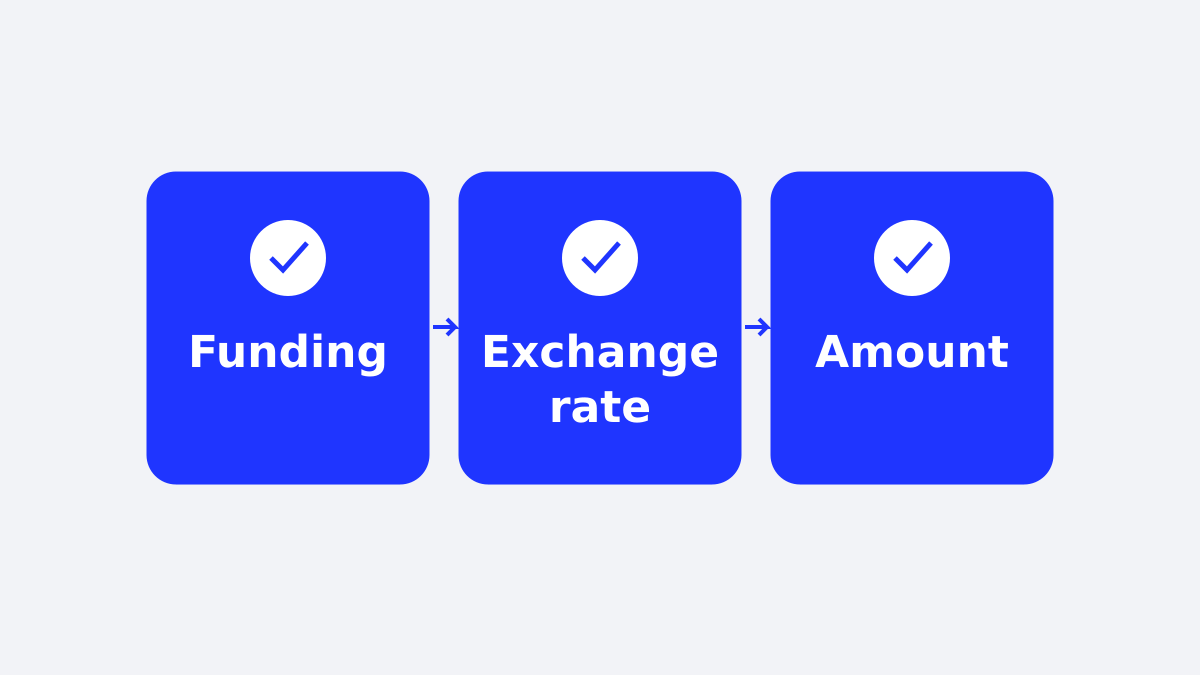
Traditional transfers vary in cost and speed because the provider, funding method, payout method, amount, exchange rate, and destination all affect the result. A low advertised fee doesn't show the full cost until you review the exchange rate and the amount the recipient receives.
Bank wires often involve more steps than a card-funded online transfer. A transfer can also require identity checks, bank processing, agent availability, or a recipient visit for cash pickup. Those conditions explain why two services advertising similar delivery times can produce different experiences.
The safest comparison is a quote for the exact transaction:
- Enter the amount in US dollars.
- Select the Mexican delivery method, such as bank deposit, card deposit, or cash pickup.
- Review the fee and exchange rate.
- Check the final amount the recipient receives.
- Confirm the delivery conditions before paying.
The CFPB says consumers should compare fees, exchange rates, and the amount expected to arrive. That approach is more useful than reproducing a provider’s fee table, since charges change by transaction details.
The 2026 tax change adds another item for some senders. According to the IRS explanation of the excise tax on certain remittance transfers, the 1% tax applies from January 1, 2026 to certain transfers funded with cash, a money order, a cashier’s check, or a similar physical instrument. Check the provider’s tax disclosure when choosing a funding method.
3. How to send money to a debit card in Mexico
Sending money to a debit card in Mexico requires a service that supports the recipient’s card, destination, funding method, and required verification. The recipient usually needs an eligible card or account, while the sender needs the recipient’s details exactly as the provider requests.
The process normally follows this order:
- Choose a provider that lists debit card delivery to Mexico.
- Select card deposit as the delivery method.
- Enter the recipient’s name and card or account details.
- Review the fee, exchange rate, and delivered amount.
- Confirm the transaction and retain the receipt or reference number.
The words “send money to a card” don't always describe the same product. Some services deposit to a bank-linked debit card, while others deliver to a digital wallet or a prepaid card. Read the destination details before payment, especially when the recipient needs the money for bills rather than a store purchase.
A debit card deposit is still a remittance. It isn't the same as sending a Mexican retail gift card, which is limited to the issuing brand or its stated redemption network.
4. What changed in 2026: the 1% tax on cash-funded remittances
The 2026 US remittance tax is a 1% excise tax on certain remittance transfers funded with cash, a money order, a cashier’s check, or a similar physical instrument. It began January 1, 2026, and applies to qualifying outbound US transfers.
The funding method is the key distinction. The IRS explanation separates the covered physical funding methods from transfers funded through a bank account or card. A sender therefore needs to check the transaction’s funding method and the provider’s disclosure instead of assuming the tax applies to every transfer.
This tax question is separate from IRS reporting questions. A tax charged on a qualifying transfer isn't the same thing as a rule requiring a provider or bank to report a transaction because it exceeds a particular amount.
5. How to compare a provider’s quote before you send
A provider quote should show the funding method, fee, exchange rate, delivery method, and amount the recipient receives. Comparing those details helps you choose between transfer services without treating one advertised fee as the entire cost.
The practical comparison is short:
| Check | What it tells you | Why it matters |
|---|---|---|
| Funding method | Whether the transfer uses cash, a money order, a cashier’s check, a bank account, or a card | It affects the 2026 tax question and the transaction cost |
| Exchange rate | How dollars convert into Mexican pesos | A lower fee can still produce a smaller delivered amount |
| Delivery method | Bank deposit, debit card deposit, cash pickup, or another route | The recipient’s access and timing depend on it |
Compare the quoted fee, exchange rate, delivery time, and payout method before choosing a provider.
6. When is a Mexican gift card a better choice than cash?
A Mexican gift card is a better choice than cash when the sender wants to give a defined gift, reward, staff bonus, or purchase at a supported brand. A transfer is better when the recipient needs unrestricted funds for bills, emergencies, or expenses outside one merchant’s terms.
A gift card fits situations such as:
- A birthday gift for a family member who already shops with a known Mexican brand.
- A staff or contractor reward tied to a completed project.
- A customer or survey incentive where the sender wants a clear reward rather than a cash payout.
- A thank-you gift where the recipient can choose a suitable brand from the available Mexico catalog.
A transfer fits situations where the recipient needs to decide how to spend the money. It also fits recurring household support, rent, utilities, transportation, and other expenses that don't map neatly to one retailer.
The trade-off is simple: cash offers broader spending freedom, while a gift card makes the occasion and intended use clearer. A gift card isn't a substitute for general-purpose funds, and the recipient needs access to the relevant brand or redemption network.
Giftronaut’s Choice Card lets a sender offer a recipient a brand choice from the available catalog. Mexico-specific options still need to be checked in the country catalog.
7. Which gift cards can someone in Mexico use?
Someone in Mexico can use the MXN options listed in Giftronaut’s Reward Options in the Americas Help Center article, subject to each brand’s redemption terms. Mexico options include Coppel, Cinemex, HEB, Starbucks, and Sephora.
Mexico’s brand mix differs from other markets, so a US catalog isn't a reliable substitute for the Mexico list. Check the recipient country first, then review the available brand, currency, and redemption conditions.
A peso gift card works best when the recipient recognizes the brand and has a practical way to use it. For a family member, that could be an everyday retailer or entertainment brand. For an employee or contractor, the card should match where they live and shop, rather than the sender’s preferences in the US.
Choose a remittance provider when the recipient needs money they can use for bills or withdraw as cash. For an employee or contractor reward, review payroll and tax treatment with your team before sending.
8. Cash for bills, a gift card for gifts: choosing for your recipient
Choose a remittance when the recipient needs general-purpose money, and choose a Mexican gift card when the purpose is a defined gift or reward. The recipient’s spending need matters more than whether the sender prefers an app, bank, card, or cash pickup.
Use this decision rule:
- Bills or household support: compare transfer quotes and choose the delivery method the recipient can access.
- A birthday or personal thank-you: choose a supported Mexican brand the recipient already uses.
- A staff or contractor reward: use a peso gift card when the reward has a clear purpose and the recipient can use the brand.
- An unknown preference: use a card where the recipient can pick the brand, if the Mexico catalog offers that option.
- Cash access required: use a remittance provider when the recipient needs cash. Giftronaut Payout Options are a separate reward feature with eligibility conditions.
For business senders, the purpose also affects accounting and tax review. A reward for an employee isn't the same category as a payment to a contractor or a remittance to family. The sender’s finance or tax adviser should review the recipient relationship and the applicable rules.
I still ask one question before choosing a gift: “Where will this person actually use it?” It saves a surprising amount of backtracking. For you, the next step is to decide whether the recipient needs bills covered or a specific thank-you, then compare the matching option.

Frequently Asked Questions
Is $100 a lot of money in Mexico?
The value depends on the recipient’s city, expenses, exchange rate, and whether the money covers a bill, household need, or gift.
Are wire transfers over $10,000 reported to the IRS?
Ask your bank which reporting rules apply to the specific transfer. The 2026 IRS source addresses a separate 1% excise tax on certain cash-funded remittances.
How much does Walmart charge to send money to Mexico?
Ask Walmart or its transfer provider for a current quote based on the send amount, funding method, delivery method, and exchange rate.
Can I Zelle money to Mexico?
Check Zelle’s current official service terms and the recipient’s eligible US banking arrangement before relying on it.
Can I use a Visa gift card in Mexico?
A US Visa gift card isn't automatically a Mexico gift card. Use the issuer’s terms for that specific card, and review the separate international Visa reward card terms before assuming a Mexican merchant will accept it.
Does Mexico have gift cards?
Yes, Mexico has gift cards, but availability and redemption terms differ by brand. Giftronaut’s Mexico options include Coppel, Cinemex, HEB, Starbucks, and Sephora as of November 2026, according to the Americas reward options list.
How do I send money to a card in Mexico?
Choose a provider that supports Mexican debit card delivery, enter the recipient’s requested details, and review the fee, exchange rate, and delivered amount before paying. A card deposit is a remittance, not a retail gift card.