
If you are rewarding a traveler or a team that works across borders, the best international travel gift cards are the ones that match the recipient’s country, trip expense, and redemption rules. What is the best gift card for international travel? There is no single answer: a travel voucher works when the recipient already knows where they will book, while a flexible reward suits travelers whose plans or location vary. For a broader comparison, read the international gift card comparison.
Which gift cards work best for international travelers?
The right international travel gift card depends on how certain you are about the trip. A flight or hotel voucher suits a known booking, while a flexible prepaid or recipient-choice reward suits a traveler with changing plans.
Use these three questions before you buy:
- Is the trip expense known? Match a confirmed flight, hotel stay, rail journey, or tour to the relevant issuer.
- Is the recipient’s country known? A brand-specific card is often tied to the country and currency selected at purchase.
- Does the recipient need flexibility? A general-purpose or recipient-choice reward leaves more room when the itinerary changes.
A travel gift card is not automatically international because it is digital. The issuer’s country, merchant network, currency, and terms still control where the card works.
Travel voucher or flexible gift card: which should you choose?
A travel voucher is the clearest choice when the recipient already knows the booking they want. A flexible gift card fits teams in different countries or situations where the final itinerary is unknown.
| Option | Best fit | Main check |
|---|---|---|
| Airline or hotel voucher | A confirmed travel provider or booking | Eligible routes, properties, countries, and dates |
| Travel marketplace voucher | A recipient with an eligible booking in mind | Participating bookings, currency, and redemption window |
| Flexible prepaid or choice reward | A mixed-location team or uncertain itinerary | Recipient country, merchant acceptance, and transaction fees |
Travel-specific cards can feel more personal because they point toward a trip. They also place more responsibility on the sender to confirm that the voucher fits the recipient’s booking. Flexible rewards give the recipient a choice instead of fixing one travel brand at the time of sending.
When the recipient is a colleague, contractor, or client traveling internationally, ask for the country and intended expense before selecting a brand-specific card. If you cannot confirm both, choose an option that lets the recipient make the final selection.
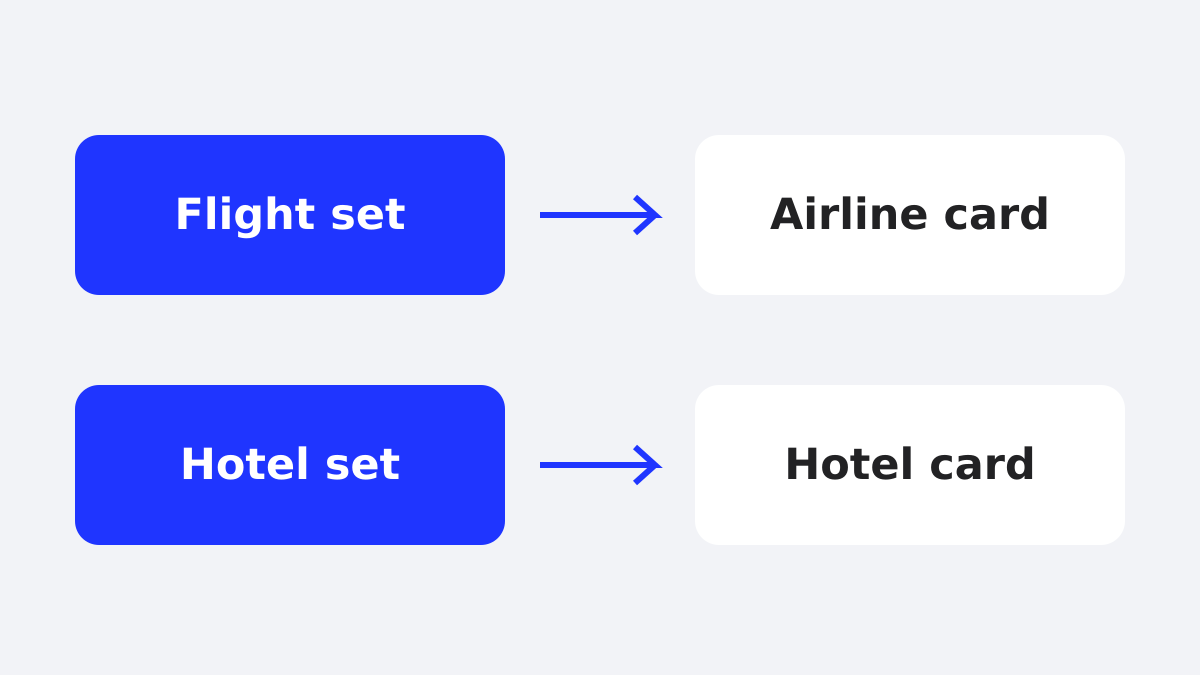
As of November 2026, American Airlines’ gift card terms specify initial eligible American-marketed flight ticket purchases for itineraries sold and originating in the United States, Puerto Rico or US Virgin Islands. Hilton’s gift card terms specify eligible participating Hilton properties that accept American Express. Read the two terms separately before buying for a specific trip.
What should you check before sending an international travel gift card?
The most important checks are country, currency, merchant acceptance, expiration, and fees. Review each point against the issuer’s current terms rather than relying on the card’s travel-themed name.
1. Country and currency
Country-specific gift cards follow the country and currency selected at purchase. Giftronaut’s gift card guidance explains that branded products are issued for one specific country and currency, so an Amazon.co.uk card is separate from an Amazon.com card.
A recipient-choice reward handles this decision differently. The recipient selects a brand from the available catalog and redeems in their local currency, subject to the choices available for their location. That structure suits a team spread across several countries because the sender does not need to guess one local brand for everyone.
2. Merchant and booking restrictions
A travel gift card works only with the merchants, bookings, and transaction types named in its terms. Check whether the card covers the intended purchase, such as a flight ticket, hotel booking, tour, or travel marketplace order.
Do not treat “travel” as a promise that covers every part of a trip. As of November 2026, American Airlines’ gift card terms limit the card to initial eligible American-marketed flight ticket purchases on itineraries sold and originating in the United States, Puerto Rico, and the US Virgin Islands. As of November 2026, Hilton’s gift card terms limit its gift card to Hilton properties that accept American Express. Give the recipient the issuer’s terms with the reward before booking.
3. Expiration and redemption timing
Confirm the underlying gift card’s validity before sending. The issuing brand sets that validity after redemption, so the recipient needs the selected issuer’s current terms before planning a purchase.
If a business is sending rewards ahead of a future trip, schedule the reward close enough to the event for the recipient to act. Avoid sending months before the traveler can use it unless the issuer gives enough time for planning and booking.
4. Fees and currency conversion
The recipient’s transaction can carry a fee even when the sender pays the card’s face value. Global prepaid cards have their own terms, including transaction and currency-conversion rules, so compare the cost of the intended purchase in advance.
The Global Visa Reward Card guide lists a USD card from $5 to $500 that can be used at Visa merchants in 223 countries. It lists a 6% fee for non-USD purchases, comprising a 3% international fee and a 3% foreign-exchange fee. Check acceptance and currency for the intended purchase.
How can travel gift cards support employee rewards?
Travel gift cards fit employee rewards when the sender connects the amount and timing to a real work situation. A traveler who just completed a client visit needs a different reward experience from a team planning an annual offsite. For US employees, IRS Publication 15-B (2026) says gift cards are cash equivalents that are not excludable as de minimis fringe benefits, so review them through payroll.
Use a simple selection rule:
- Known destination: choose a country-specific card only after confirming the recipient’s market and the intended merchant.
- Several destinations: use a flexible option that does not lock everyone into one local retailer.
- Different traveler preferences: let recipients choose where the reward goes.
- Large or recurring program: use a sending process that supports a spreadsheet, scheduled delivery, and clear records.
The reward message should explain what the card is for, where the recipient can review its terms, and who to contact if delivery details need correction. Keep the message practical. A traveler should not have to search through a long campaign email to find the redemption link or expiration rule.
The recipient language guide explains how to translate a reward message. Keep the issuer’s instructions separate and link to them if the recipient needs to confirm redemption terms.

How do you send a travel reward to a global team?
Start with the recipient list, then select the reward type, amount, message, and delivery date. Separating the reward choice from the sending steps keeps the approval decision clear.
- Confirm the audience and country. Record each recipient’s country and check whether a local or global option fits.
- Choose the reward format. Select a known travel brand for a confirmed booking, or a choice reward for varied preferences.
- Set the amount. Match the amount to a specific expense, such as a meal, local transport, or part of a booking.
- Write the message. Include the purpose, redemption instructions, and any important time limit.
- Send now or schedule. Align delivery with the completed trip, milestone, or booking window.
- Keep the records. Save the order details and delivery status for finance or program reporting.
Use the one-time order guide for spreadsheet upload and scheduling. For a cash-equivalent employee reward, check local payroll and tax rules before sending; IRS Publication 15-B (2026) covers US treatment.
Reward links help when the sender does not have every recipient’s details at order time. Each link represents one reward, so the sender should share it privately and keep the recipient-to-link mapping when the program needs an internal record.
What does Giftronaut offer for international travel rewards?
For a known merchant and country, review the terms for that merchant’s card. If the recipient should pick the brand, read the Choice Card and branded card guide before you decide.
Giftronaut reaches 225 countries through local catalogs and global prepaid options; brand availability varies by country. A Choice Card lets the recipient select a brand from the available catalog and redeem in their local currency. A Branded Gift Card fixes the brand, country, and currency when the sender places the order.
For a team with travelers in several markets, the Choice Card lets each recipient select a brand from the available catalog and redeem in their local currency. For a known travel expense, the sender can select a specific card when the relevant country and merchant are confirmed. Giftronaut also supports email, scheduled delivery, spreadsheet uploads, and order-history exports for reconciliation.
Keep the purchase and the recipient’s spending terms separate. The issuing product’s terms govern where and how it can be used.
How should you approve a travel gift card program?
Approve the reward only after the travel expense, issuer terms, amount, and delivery timing are clear. This review checks whether the card fits the recipient’s market and intended booking.
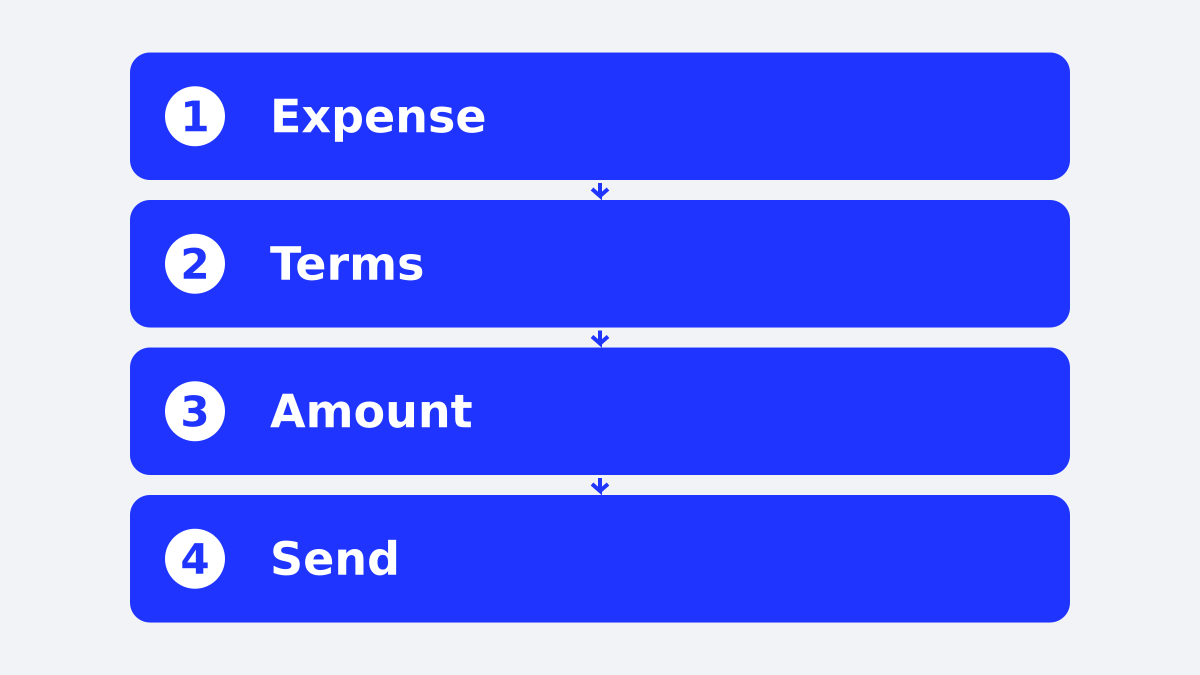
Use this approval checklist:
- Trip expense: Is the reward for a flight, hotel, transport, food, a tour, or flexible spending?
- Recipient location: Does the card match the country where the recipient will redeem it?
- Currency: Is the card issued in a currency the recipient can use without an avoidable conversion cost?
- Merchant terms: Does the issuer accept the intended booking or transaction?
- Validity: Does the reward remain available through the recipient’s planning window?
- Delivery: Check the email or private reward link. For text delivery, confirm a US or Canadian (+1) mobile number.
- Records: Can the sender reconcile who received each reward and when?
For a company program, keep the approval rule consistent across travelers. A finance manager can approve a fixed travel voucher for a confirmed business trip, while HR can use a flexible choice reward for recognition across several countries.
A practical starting point for international travel rewards
Begin with the recipient’s situation, not the gift card category. Ask where the person is traveling, what expense the reward should support, and whether the booking is already known.
If the answer is specific, match the voucher to that expense and read the issuer’s terms. If the answer is uncertain, use a flexible reward and let the recipient make the final brand or currency choice. That approach gives the sender a clear approval process without forcing every traveler into the same card.

Frequently Asked Questions
What is the best gift card for international travel?
A suitable choice matches the recipient’s country, planned expense, and redemption terms. Use a travel voucher for a known booking and a flexible reward when the destination or merchant is still open.
What are some gift cards that work internationally?
Check the issuer’s supported countries and merchants for the exact card you intend to use. Check the issuer’s terms before treating a card as suitable for a specific trip.
Are airline gift cards good for international travel?
Airline gift cards suit travelers who already plan to book with that airline and meet its country and route conditions. They are less suitable when the traveler’s airline, departure market, or itinerary is still undecided.
Should I give a hotel gift card or a flexible reward?
Give a hotel gift card when the recipient has a confirmed property or hotel group in mind. Choose a flexible reward when the recipient is traveling across countries or has not selected lodging.
How do I send travel gift cards to employees in different countries?
Record each employee’s country, choose local or flexible rewards, and verify the card terms before sending. Check the recipient list and planned date before sending.
Can Giftronaut send rewards internationally?
Check the recipient’s country and the reward options available there. Start with the gift card types guide to decide who selects the brand.