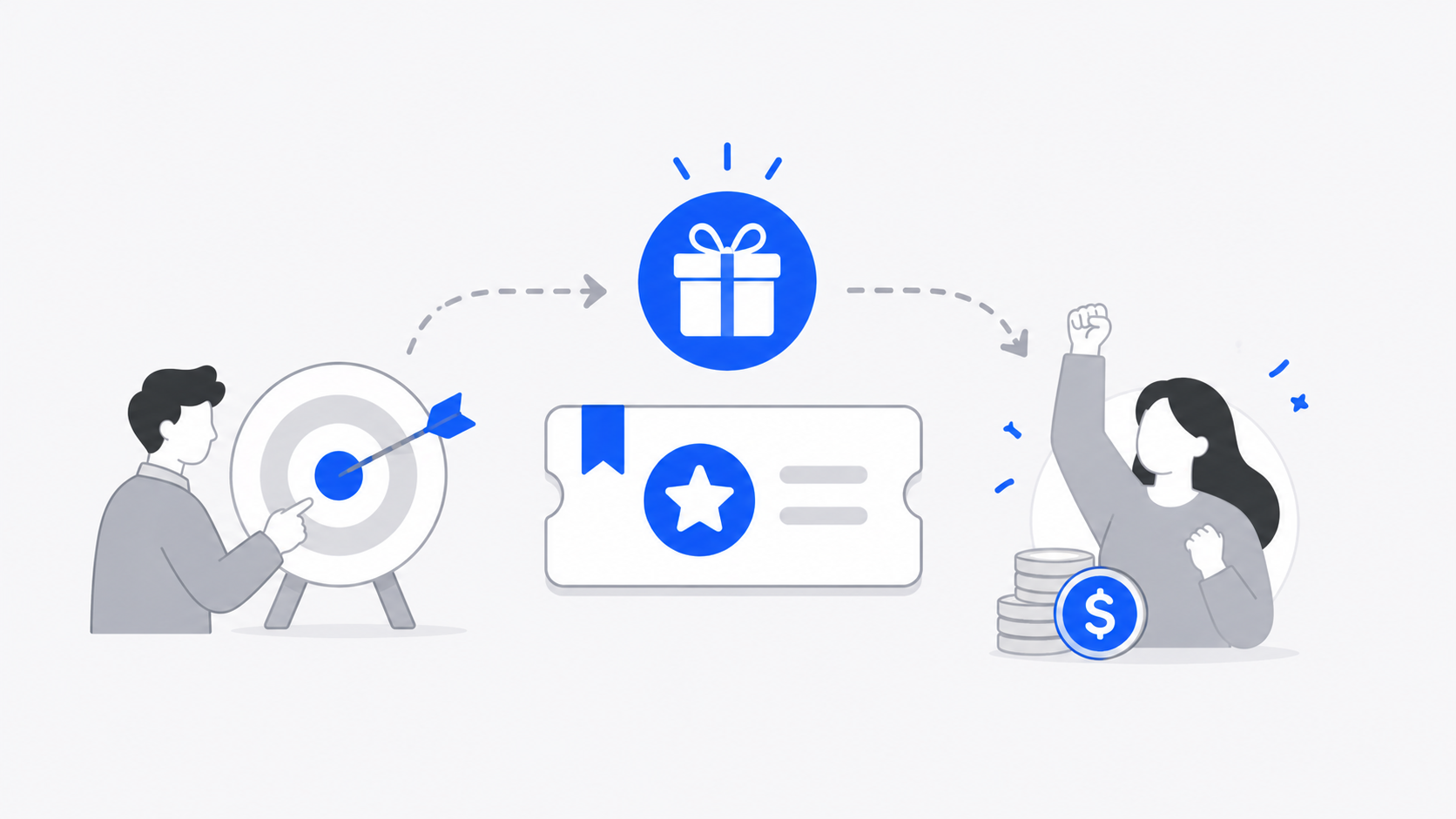
Sales compensation plans are built for the long game. Quota is the year. Commission is the reward for playing it consistently. But there are moments when the long game isn't the right tool — when you need your team focused on one thing, right now, with a clear and immediate prize.
That's what a SPIFF is for.
This guide explains exactly what a SPIFF is, how it differs from a commission or a bonus, when to use one, and how to design a SPIFF program your sales team will actually chase — including how to deliver rewards to reps in different countries without the logistics headache.
★ TL;DR
- A SPIFF (Sales Performance Incentive Fund) is a short-term, tactical reward for hitting a specific sales goal — separate from base salary and commissions
- SPIFFs work when you need to redirect behavior fast: push a new product, clear pipeline, or accelerate deals stuck in late stages
- The reward matters as much as the amount — choice-based digital rewards outperform generic cash transfers for motivation and perceived value
- This guide covers when to use a SPIFF, how to structure one, and how to run it for a global or distributed sales team
What Does SPIFF Stand For?
SPIFF stands for Sales Performance Incentive Fund. You'll also see it spelled SPIF (one F) — both refer to the same thing. The spelling variation comes from different industries adopting the term over decades, with "SPIFF" more common in tech and retail sales, and "SPIF" used in more formal compensation contexts.
The origin is practical: SPIFF programs were used in retail to push slow-moving inventory by giving sales reps an extra incentive to recommend specific products. The core mechanic hasn't changed. A SPIFF is a short-term, targeted incentive — usually a cash bonus or gift card — paid when a rep hits a defined goal within a defined timeframe.
How Is a SPIFF Different From a Commission or a Bonus?
These three terms get used interchangeably, but they work differently and shouldn't be confused when designing a compensation plan.
Commission is the ongoing, percentage-based reward tied to the value of every deal a rep closes. It's always on. It rewards all qualifying sales equally. Commissions motivate reps to sell more, but they don't direct what to sell or when to sell it.
Bonus is typically a threshold-based payout tied to hitting a quarterly or annual number. Reps chase it all quarter or all year. It motivates overall performance, not a specific behavior.
SPIFF is surgical. It targets one behavior — close two deals in a new vertical by Friday, sell the enterprise tier instead of the standard tier, reactivate three dormant accounts this month — and pays out immediately when the rep hits it. The short timeframe and specific goal are what make SPIFFs effective where commissions and bonuses can't reach.
A rep who won't change their selling behavior for a 2% commission bump will often compete hard for a $500 gift card available only if they close two new logos by end of week. The constraint creates urgency; the immediacy makes the reward feel real.
.png?width=600&height=314&name=02(1200x628).png)
When Should You Use a SPIFF?
SPIFFs are most effective when you need to redirect behavior, not just reward it. Use them in specific situations:
-
New product launches. When a new product or tier rolls out, tenured reps default to selling what they know. A SPIFF focused on new-product demos or first closes shifts attention immediately.
-
Pipeline acceleration. Deals stuck in the final stages often need a push. A SPIFF for deals closed before a specific date creates urgency that commission alone can't replicate.
-
Inventory clearance. If you're moving away from a product line, a SPIFF lets you incentivize reps to prioritize those specific SKUs without changing the broader comp plan.
-
Geographic expansion. When pushing into a new territory or country, a SPIFF focused on first deals in that region can give early pipeline the attention it needs.
-
Sales contest energy. End of quarter, end of year, or mid-quarter slumps all benefit from a short burst of structured competition with an immediate, tangible reward.
What SPIFFs are not for: rewarding standard performance, replacing commission on core products, or running so frequently that reps stop caring. If every month has a new SPIFF, none of them mean anything.
What Types of SPIFF Programs Work Best?
-
Threshold SPIFF. Hit a number, earn a reward. "Close $50K in new business this month and earn a $500 gift card." Simple, easy to track, works at any team size.
-
Race SPIFF. First rep to hit the goal wins. "First to close a new enterprise account earns $1,000." High energy — be careful it doesn't demoralize reps who almost made it.
-
Leaderboard SPIFF. Tier the rewards across top performers. First place earns $750, second earns $500, third earns $250. Keeps more reps engaged than a winner-takes-all structure.
-
Activity SPIFF. Reward pipeline-building behavior, not just closes. "Book 10 qualified demos this month and earn $200." Useful when pipeline is thin and you need top-of-funnel activity.
-
Team SPIFF. The whole team earns the reward if the collective goal is hit. Drives collaboration — particularly useful for account-based teams where one rep can't close a deal alone.
What Rewards Work Best in a SPIFF?
The reward design matters as much as the amount. A SPIFF that pays out a wire transfer three weeks later doesn't create the same excitement as a digital reward delivered the day the deal closes.
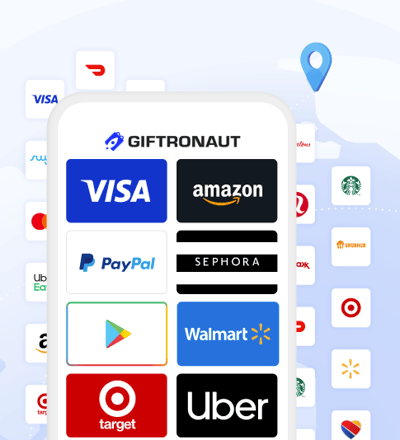
Digital gift cards are the most consistently effective SPIFF reward for one reason: choice. A rep in Austin, Texas has different preferences than a rep in Seoul, South Korea. Sending both the same company-selected card misses at least one of them. Giftronaut lets you send a digital reward to any rep in 90+ countries — the recipient picks from thousands of local brands in their own currency. The instant delivery also matters. The psychological connection between closing a deal and receiving a reward is strongest when they happen close together.
Cash via bank transfer is clean and universally understood, but it gets absorbed into general finances and doesn't feel distinct from regular compensation. For high-value SPIFFs ($1,000+), cash may still be preferred — know your team.
Experience rewards (concert tickets, travel credits) are memorable but operationally complex, especially for distributed teams. Better suited to annual recognition than short-cycle SPIFF programs.
How Do You Run a SPIFF for a Global Sales Team?
Distributed and international teams add three complications to SPIFF delivery: currency differences, brand availability, and logistics.
Sending a $250 Amazon US gift card to a rep in Germany, Brazil, or Singapore isn't a reward — it's friction. If they can't redeem it locally, or if local brands they prefer aren't available, the SPIFF loses its impact entirely.
The solution is to use a platform that handles the regional complexity for you. With Giftronaut, you set the reward amount, upload your recipient list (including international reps), and send. Each rep receives a digital reward they can redeem for brands available in their country, in their local currency. The logistics of "what can my rep in Seoul actually spend this on?" disappear.
What Are the Most Common SPIFF Mistakes?
-
Running SPIFFs too frequently. When every month has a new SPIFF, reps stop treating them as special. Reserve SPIFFs for genuine strategic moments.
-
Making the goal unclear. Reps should be able to explain the rules in one sentence. If it requires a paragraph, simplify it before launch.
-
Delaying the reward. A reward paid 60 days after the close doesn't drive the behavior you wanted. Fast payout is part of the design.
-
Ignoring second and third tier. Winner-takes-all SPIFFs demoralize the team after the front-runner pulls ahead. Tiered rewards keep more reps engaged through the full contest window.
-
Using the same reward for everyone. What motivates a 23-year-old SDR in Chicago is different from what motivates a 40-year-old enterprise AE in Singapore. Choice-based rewards solve this without requiring you to know everyone's preferences.
Real-world proof: MSB Resources cut incentive management time by 3x and achieved a 98% recipient satisfaction score using Giftronaut for their partner and industry leader recognition program. Read the MSB Resources case study →
Frequently Asked Questions
What does SPIFF stand for in sales?
SPIFF stands for Sales Performance Incentive Fund. It's a short-term, tactical reward given to sales reps for hitting a specific goal within a defined timeframe. You'll also see it written as SPIF — both refer to the same concept.
What is an example of a SPIFF in sales?
A typical SPIFF looks like: "Close two deals in the enterprise tier by Friday and earn a $500 gift card." Or: "Book 10 qualified demos this month and earn $200." The goal is specific, the timeframe is short, and the reward delivers the same day the rep hits it — not at quarter end alongside regular commission. That specificity is what makes SPIFFs work: reps know exactly what to do and exactly what they get for doing it.
What is the difference between a SPIFF and a commission?
Commission is an ongoing, percentage-based reward tied to the value of every qualifying sale. A SPIFF is temporary and targeted — it rewards one specific behavior within a short window and is paid in addition to commission, not instead of it.
What is the difference between a SPIFF and a bonus?
A bonus is tied to hitting a quarterly or annual quota threshold across a long window. A SPIFF is short-cycle (days to weeks), tied to a specific behavior or product, and paid immediately upon hitting the goal.
What rewards work best in a SPIFF program?
Digital gift cards with recipient choice consistently outperform fixed-brand cards and delayed cash transfers. The key factors are immediacy — reward delivered the same day the goal is hit — and choice, so the rep picks what they actually want. For global teams, use a platform with local brand support in each country.
How long should a SPIFF run?
Most effective SPIFFs run one to four weeks — short enough to create urgency, long enough for reps to realistically hit the goal. Monthly SPIFFs are the most common cadence. Longer than a month and the incentive starts to blend into regular compensation expectations.
Can I run a SPIFF for a global or international sales team?
Yes, but reward delivery matters. Sending US-brand gift cards to reps in other countries creates redemption problems. Use a platform that delivers rewards in local currencies with regional brand catalogs. Giftronaut covers 90+ countries so every rep gets a reward they can actually use.
How much should a SPIFF pay out?
For a one-week activity SPIFF, $100–$250 is a common range. For a month-long close-rate SPIFF, $500–$1,000 is typical for a motivated response. The reward doesn't need to be large — it needs to feel worth competing for relative to the effort required.

Run Your Next SPIFF Without the Payout Headache
Giftronaut makes SPIFF rewards simple: digital delivery, choice-based rewards, 90+ countries, zero platform fees. Load funds, upload your rep list, and the reward lands the same day the goal is hit — no matter where your team is.
Send your first SPIFF reward with Giftronaut →
Already running a broader sales incentive program? See how Giftronaut works for sales teams →