Most B2B companies that launch an affiliate program copy the B2C playbook: post a sign-up page, set a flat commission, and wait. Six months later, the program has 40 registered affiliates and zero conversions.
B2B affiliate marketing works differently. Sales cycles are longer. Deals are higher value. And the affiliates who drive real pipeline are trusted advisors — not content creators with large audiences.
This guide covers how to build a B2B affiliate program designed for how B2B buying actually works, including the commission structure, reward design, partner recruitment, and payout best practices that make programs last.
TL;DR
- B2B affiliate programs need 90–180 day attribution windows — not the 30-day standard in B2C. Your actual sales cycle determines the minimum.
- The best B2B affiliates aren't content creators with large audiences — they're consultants, agencies, and advisors who already have your buyers' trust.
- Digital gift cards are increasingly the preferred affiliate reward in B2B — they feel rewarding rather than transactional, and Choice Cards work across geographies without managing separate payout rails per country.
How B2B Affiliate Programs Differ From B2C
| Dimension | B2C Standard | B2B Reality |
|---|---|---|
| Attribution window | 30 days | 90–180 days |
| Commission per conversion | $10–$50 flat | $100–$500+ or 10–20% of order value |
| Best affiliates | Content creators, bloggers | Consultants, agencies, advisors |
| Referral volume | High volume, lower value | Low volume, higher value |
| Recruitment approach | Mass sign-up, audience-first | Relationship-first, trust-based |
The key differences that change how you need to build the program:
-
Longer sales cycles. A 30-day attribution window — standard in B2C — will expire before most B2B leads convert. B2B programs typically need 90- to 180-day windows to capture credit accurately.
-
Higher average deal values. A single referred B2B customer might generate thousands in annual revenue. Flat commissions common in B2C ($10–$50) undervalue the affiliate's contribution significantly.
-
Relationship-driven referrals. B2B buyers trust advisors they already work with. Your best affiliates aren't anonymous bloggers — they're consultants and agency owners whose recommendations carry real weight.
-
Lower volume, higher quality. A B2B program generating 10 qualified leads per month can outperform a B2C program with 1,000 clicks. Partner quality matters far more than partner count.
How to Structure Your Commission Model
Choose the structure that aligns affiliate incentives with your actual business outcomes:
-
Percentage of order value. Partners earn more when the customers they refer spend more. Giftronaut's Affiliate Program pays 5% on every qualified order in the customer's first 12 months — with no cap per referred customer. Commissions scale naturally with order volume.
-
Flat fee per conversion. Predictable for budgeting, but can undervalue affiliates referring high-spend accounts. Better for products with consistent deal sizes.
-
Recurring commissions. Pay a percentage every month the referred customer stays active. Aligns long-term incentives — affiliates are motivated to refer customers who stick around. Model long-term payout costs against customer LTV before committing.
-
Milestone bonuses. Layer bonuses on top of base commissions when partners hit referral thresholds. Best for mature programs that want to reward and retain top performers.
For most early-stage B2B programs, a percentage-of-order or flat-fee model is the right starting point. Add recurring or milestone structures once you have data on which shapes drive the best partner behavior.
How to Choose the Right Reward for Your Affiliates
Payout method affects partner motivation more than most program managers expect. A clunky or impersonal payout experience is one of the fastest ways to lose a partner who was otherwise willing to refer.
-
Cash via wire or ACH. Universal, but generic. Works fine for high-volume programs or affiliates who specifically prefer cash. Can be slow across international banking systems.
-
PayPal. Fast and familiar, but some partners prefer not to use personal accounts for business income.
-
Digital gift cards. Increasingly common in B2B because they feel like a reward rather than a payroll transaction. The key is giving affiliates genuine choice — not a gift card locked to one brand.
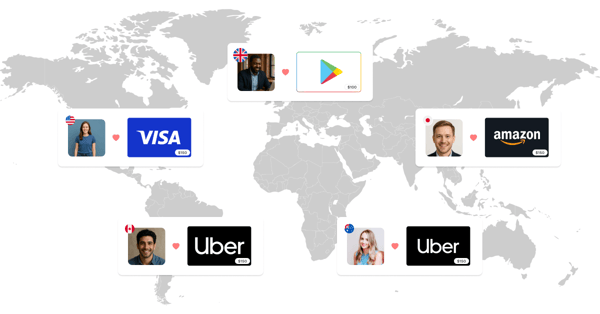
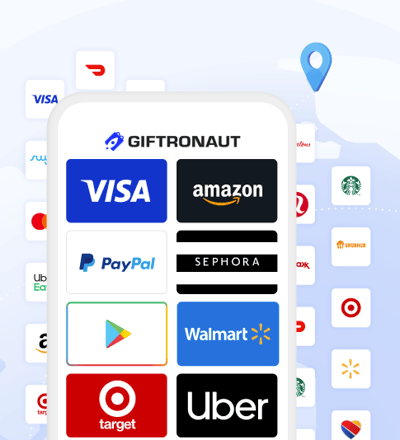
Giftronaut Choice Cards let you pay out affiliates with a digital gift card redeemable across 30,000+ options in 90+ countries. One format works for an affiliate in New York and one in Seoul, without managing separate payout rails per region.
How to Recruit and Enable Your First Partners
Most programs fail at recruitment because they look for affiliates instead of finding partners. Start closer to home:
-
Start with warm relationships. Your first affiliates should already know your product: existing customers who recommend you unprompted, consultants in adjacent categories, and complementary vendors whose product sits next to yours in the same client workflow.
-
Build a partner kit before you launch. Give partners what they need to refer accurately: a one-page product overview, your key differentiators vs. common alternatives, answers to the top objections they'll hear, and approved FTC disclosure language.
-
Communicate consistently. Affiliates go quiet when they don't hear from you. A brief monthly update — a new customer win, a product change, an upcoming use case — keeps your program top of mind when referral opportunities come up in client conversations.
How to Track, Attribute, and Pay Out Reliably
A B2B affiliate program lives or dies on trust. If partners can't verify their referrals are being tracked, or payouts are delayed without explanation, they stop referring.
-
Set a 90- to 180-day attribution window. Match it to your actual sales cycle. A window shorter than your typical deal timeline causes misattribution and frustrates legitimate partners.
-
Give priority to direct form submissions over link clicks. When a partner makes a personal introduction and submits a lead's email directly, that claim should take precedence over link attribution — protecting partners who make warm, direct referrals.
-
Pay on a predictable schedule. Monthly payouts issued by a set date remove ambiguity. Send a performance report before the payout so partners can verify their own numbers.
Frequently Asked Questions
What is a B2B affiliate program?
A B2B affiliate program rewards external partners — consultants, agencies, or complementary vendors — for referring customers to your business. Partners earn a commission when a referred lead converts into a paying customer. Unlike B2C programs, B2B affiliate programs involve longer sales cycles, higher deal values, and relationship-based referrals rather than anonymous link clicks.
How is a B2B affiliate program different from a B2C one?
B2B programs require longer attribution windows (90–180 days vs. 30 days), higher commission values per conversion, and partner recruitment based on trusted relationships rather than audience size. The B2C playbook — mass recruitment, short cookies, high volume — doesn't apply to enterprise or mid-market B2B.
What commission rate should I offer for a B2B affiliate program?
10–20% of order value is a common starting range for B2B SaaS, per Rewardful's benchmark data. Check what comparable programs in your category offer before setting your rate — partners evaluate programs against alternatives before deciding where to invest their referral energy.
What's the best way to pay out B2B affiliates?
Digital gift cards work well across geographies without managing multiple payout rails. Giftronaut Choice Cards let affiliates choose from 30,000+ options globally. Cash via ACH or PayPal is also widely used for partners who want maximum flexibility in how they receive payment.
How do I recruit my first B2B affiliate partners?
Start with warm relationships: existing customers who recommend you unprompted, consultants in adjacent categories, and complementary software vendors. Cold outreach to affiliate networks rarely works at program launch. Quality matters far more than partner count in the early stages.
How long should my B2B attribution window be?
90 days minimum for most B2B programs. If your average sales cycle is longer — common in enterprise segments — extend to 180 days. A window shorter than your typical deal timeline will cause you to misattribute conversions and frustrate legitimate partners who made real introductions.

Wrapping Up
A well-built B2B affiliate program is one of the few marketing channels that compounds over time without ongoing spend. The foundation is straightforward: fair commissions, a long enough attribution window, rewards that feel genuine, and partners who already believe in what you're selling.
If you're building an affiliate program and want to reward your partners with flexible digital gift cards that work globally — Giftronaut Choice Cards are a good place to start. Zero fees, 90+ countries, instant delivery.
Already on the partner side and looking to join a well-run program? Giftronaut's Affiliate Program is open to consultants, agencies, and advisors — 5% recurring commission, no cap, monthly payouts.